2026-08-17 · Mike Kelly
Common Causes of Attic Condensation in Pittsburgh Row Houses
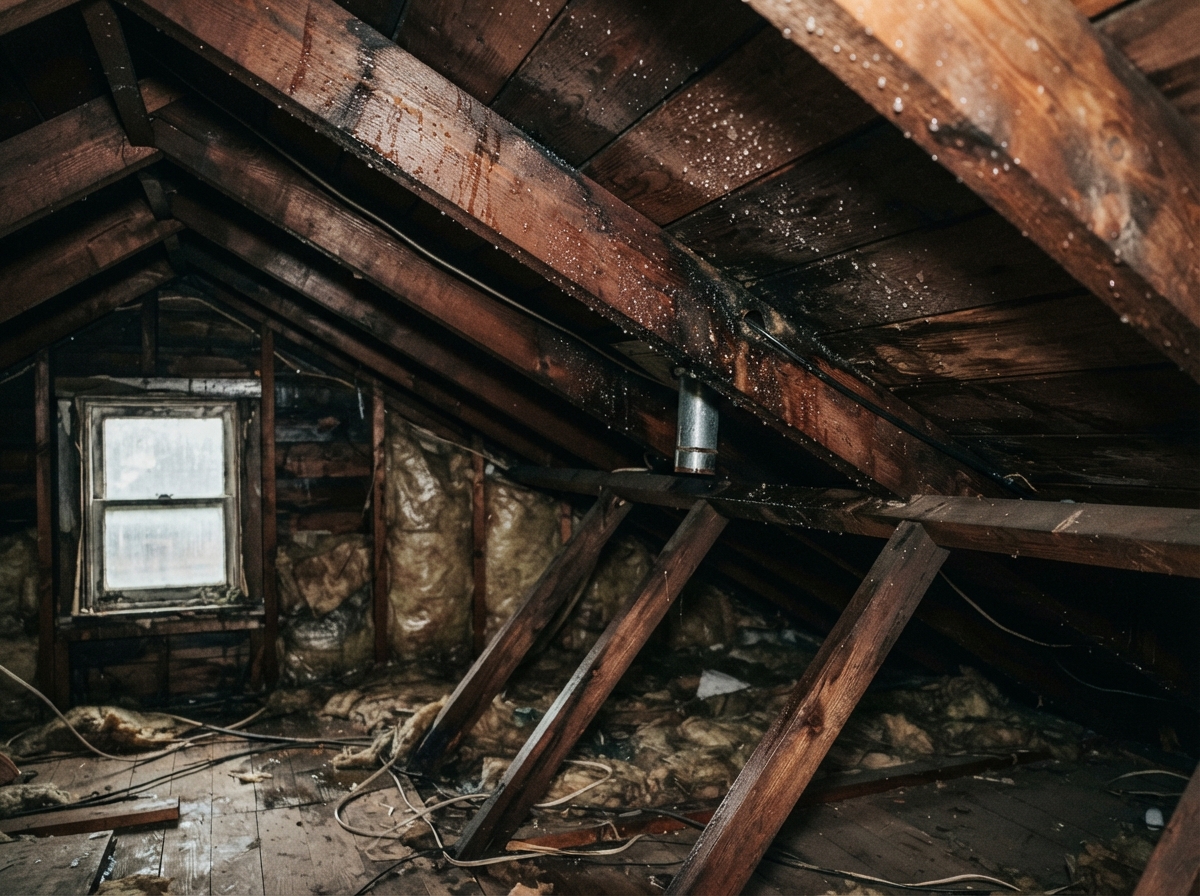
Attic condensation in Pittsburgh row houses starts when warm indoor air rises and hits cold roof boards during our cold winters, then turns to water that soaks insulation and sheathing. The humid continental climate with cold winters and warm summers makes this cycle repeat every year in older homes built tight with little airflow.
How Does Pittsburgh Weather Create Condensation?
Our winters drop fast and hold steady below freezing while summers push humidity through the roof. Warm air from kitchens and baths climbs into the attic and meets the cold underside of the roof deck. That meeting point forms beads of water that drip back down for weeks. Row houses in neighborhoods like Lawrenceville and Bloomfield often share walls that limit side venting, so the only escape routes are ridge and soffit vents that many owners block with insulation or debris. Over time the trapped moisture raises the risk of mold and rotted rafters.
Why Do Ice Dams Make Condensation Worse?
Ice dams form when heat leaks from the house and melts snow on the lower roof edge. The meltwater refreezes at the eaves and backs up under shingles. In Allegheny County row houses the same heat loss that creates ice dams also warms the attic air, pushing more moisture upward. Once the dam melts, extra water finds its way into already damp insulation. Check the related post on freeze-thaw cycles for how this pattern repeats here every winter.
What Ventilation Fixes Stop the Moisture?
Most row-house attics need clear soffit intake and ridge exhaust sized to the square footage. Blocked or missing vents let moist air sit against the sheathing. Adding or cleaning those vents usually cuts condensation within one heating season. When the roof is due anyway, roof ventilation installation paired with attic insulation and ventilation work gives the best long-term control. Skip the big-box sealant on every crack; it traps more moisture than it stops.
What Does Proper Ventilation Cost in Pittsburgh?
Basic vent cleaning and baffle work runs $400–$800. Full ridge and soffit upgrades on a typical two-story row house land between $1,200–$2,200 depending on access. Adding insulation at the same time adds another $600–$1,500. These numbers cover labor and materials for homes in Oakland or Shadyside; prices stay similar across most Allegheny row-house blocks.
When Can You Handle It Yourself and When Should You Call?
You can open blocked soffit vents, pull insulation away from the eaves, and check that ridge vents are clear as long as you stay on a stable ladder and avoid electrical wires. Stop at the attic hatch if you see black mold or soft wood. Anything involving roof deck work, ice dam removal, or new vent cuts needs a pro because it touches the roof warranty and local code. We offer 24/7 emergency service from our shop at 2270 Roswell Dr if the water is already dripping.
Call the shop on Roswell Dr if you see water stains on the ceiling this winter.